Inside Remote Recruitment: What It Really Takes to Hire in Rural Communities
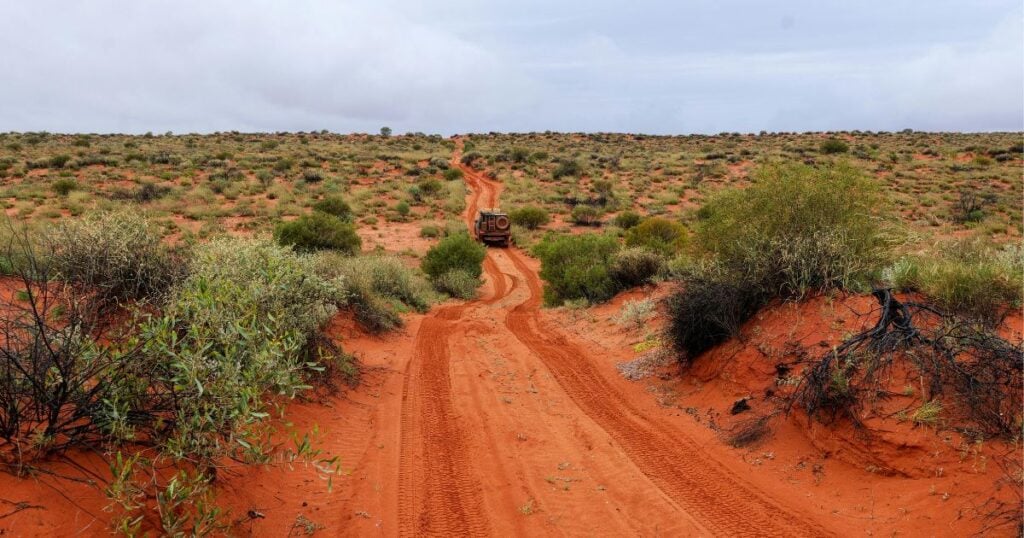
Recruiting for a role in a remote community is nothing like recruiting for one in the city. The pool is smaller, the stakes are higher, and getting it wrong can leave a whole community without a nurse, a pharmacist or a teacher it needs. It’s a clear sign of the regional workforce shortage playing out in real time. I have spent the last few years building my career around this challenge, working closely with organisations particularly across the Kimberley region in WA, to fill some of the hardest roles in the country. These are the lessons I wish every client understood before starting a search for a remote role. A Quick Snapshot The roles I work on most are based around the wider Kimberley region, and they’re a genuine mix. There’s strong demand for clinicians, as well as allied health professionals. Remote nurses, child health nurses and child health managers come up again and again, alongside a recent run of executive-level and senior manager positions. In terms of industries, it is largely medical services and education, particularly the RTO (Registered Training Organisation) education sector, reflecting how much of this work sits within clinical and allied health recruitment. Why Remote Communities? This wasn’t a calling I arrived with. I fell into these campaigns by chance, and the challenge won me over. Watching my own assumptions get overturned is what kept me there. I assumed remote communities would be very regional, stranded, in the middle of nowhere. Travelling through the Kimberley changed that. I found close-knit communities with real lifestyle benefits, and organisations with a strong sense of what they were trying to build. Being part of that, helping convey their message and contribute to what they give back to the community, is what has kept me invested. Is Housing a Real Barrier? Housing is the first thing anyone recruiting in remote Australia will mention, and it’s been one of the biggest issues we see, sometimes entirely out of our control. Even when candidates are interested in a role, a lack of available housing causes them to turn down offers. Temporary accommodation is scarce and increasingly expensive, and for those hoping to buy property long term rather than rent, the maths gets harder still. Some organisations offer subsidised housing from their own property lists, but that only goes so far. The temporary accommodation gap makes it worse. Candidates need somewhere to land before they can build a life, and that first step has become harder to take. Even in the last year, rental prices in some of these communities have doubled, making people rethink whether the move is worth it. Underneath the practical barrier is a bigger question candidates are quietly asking themselves: is this sustainable? Can they actually put down roots here, or will they test the water and leave? On the government side, there is a regional locality allowance that offers a modest incentive, though broader relocation incentives are still limited. The real fix is structural: building infrastructure, providing more housing, and unlocking land. That conversation also has to include the added complexity of land availability for Indigenous communities. How Do You Spot Red Flags And Green Flags When Screening Candidates? A large percentage of the remote candidate pool is unlikely to last six months, so your screening process has to work differently. My approach to screening: I lean heavily on lived experience over online research That word of mouth insight gets built into early conversations with candidates This gives them a realistic picture of the community and what relocating actually involves, well before it gets fully explored in the second round Red flags: Candidates who arrive at the first round without having done their own research Candidates who only start engaging with the reality of the move once they’re actively house hunting Hesitation or second thoughts that surface late, especially around pre-employment checks, after a client has planned to offer Green flags: Energy and appetite for change People looking for a new chapter Candidates who arrive expecting a different life, energised rather than daunted by it Comfort with the contrast in climate Why Do City Candidates Choose Remote Roles? The people applying to these remote roles know clearly where they stand. Many are coming from metro areas where they feel saturated, where the work doesn’t feel like it contributes enough or makes sense to them personally. There is also a simple lifestyle calculation at play. People with families in the city, running errands, dropping kids at school and all of that, could spend 30 to 40 minutes going around, whereas in rural locations like Broome it is all within a 10-minute radius. No traffic, no long commute, more time back in the day. How Do You Find The Right Culture Fit? In a small community, a bad hire ripples much further than one team. There is a misconception I have seen play out more than once. The initial instinct on these roles is to find someone who can go there and make a change, and that is exactly what these communities do not want. They are not looking for someone parachuting in with the intention of fixing what is “struggling.” They are looking for people with the right skills and behavioural traits who can contribute in a way that respects what is already working. Communities are cautious about who they bring in. Someone with a high corporate profile going in with a strategy deck, trying to force change, does not work well. Life in these communities tends to be laid back and unhurried, and a personality that pushes hard against that pace can affect the whole team dynamic, beyond just their own role. The pattern is consistent when the fit is wrong. People who go in intending to change things tend not to last long, because they don’t feel like they’re contributing or creating an impact. The people who thrive are the ones who come in ready to contribute on the community’s terms, not their own. What Do